Ashwin Rajan
Severing author from authority
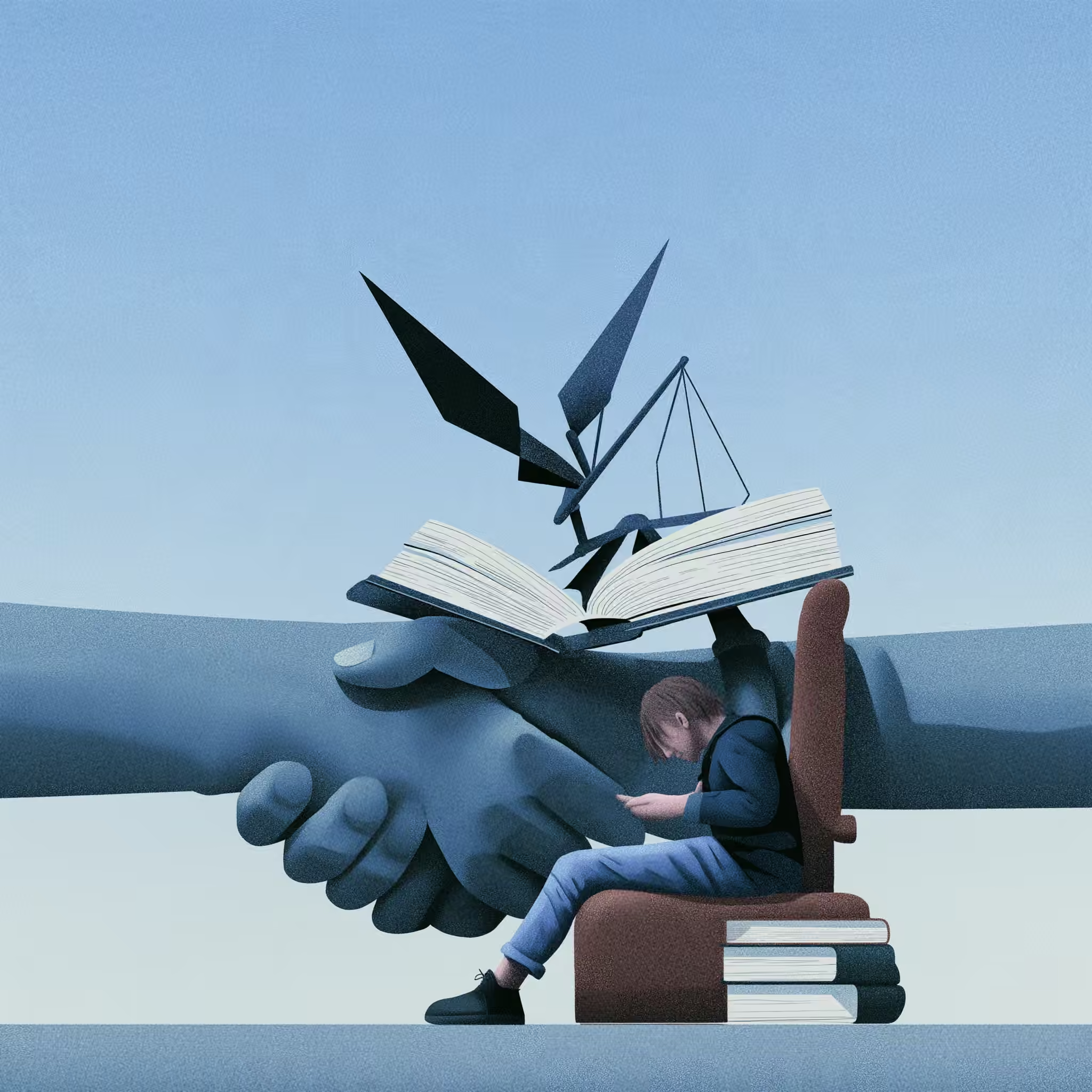
A persistent fascination of mine is the rise of the new literacy that comes with living and working with AI. I don’t know what it will look like yet. But I can see it taking shape in something as ordinary as opening a book.
Give a language model access to an author’s books and I can begin anywhere. I can ask about an idea from the last chapter or follow it across several books. Where I start depends on what I bring to the work.
Hypertext already loosened the grip of sequence. Bruce Sterling and William Gibson were thinking about a related shift in their explorations of atemporality. With AI, I can ask a question and get a path through the book that nobody laid out in advance. Bruce Sterling, Atemporality for the Creative Artist
That’s where authorship starts to come apart from authority. There’s something explicitly submissive about reading. My imagination is active, but I’m consenting to be led. A novelist can make me want to stay in the dark for two hundred pages. A thinker can make me learn an entire vocabulary before I get to the question that brought me to the book.
Take two dense books from very different moments. There’s Federico Campagna’s Technic and Magic, and there’s Herbert Simon’s The Sciences of the Artificial, first published more than half a century ago. With either one, I can start with my own question and work backward through the passages and assumptions behind it. The author made the work. I decide where to enter.
I can also tear the book apart. Its ideas become something like memes, if I stretch the word a little. A distinction that took a chapter to establish can end up in an ad, a social post or a scene in a film. By then, who remembers what it was doing in the book?
Maybe part of this new literacy is knowing when to take a work apart and when to let it lead me somewhere I wouldn’t have thought to ask to go.
I wonder if long-form poetry, especially epic poetry, resists this. I can pull a line out of an epic. But how much of what that line does depends on how long I’ve been listening by the time I reach it?
P.S.
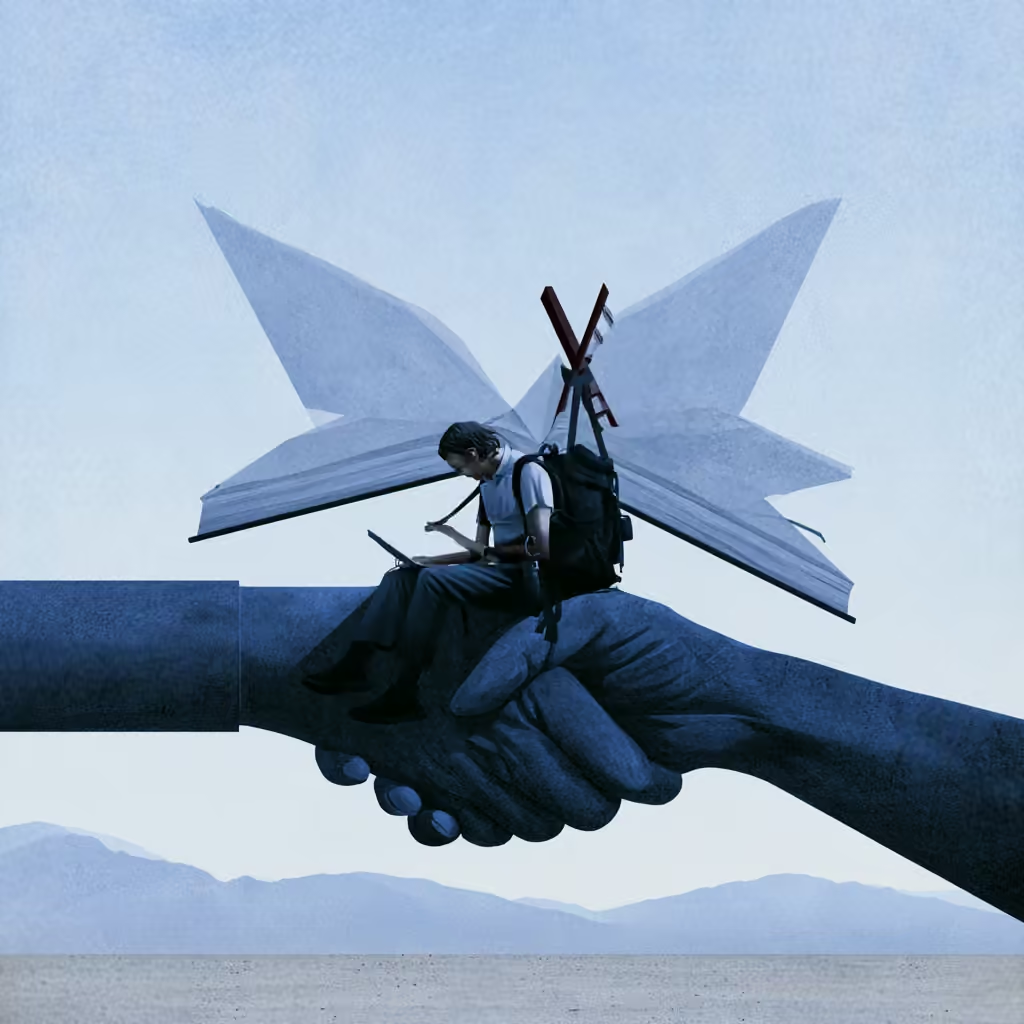
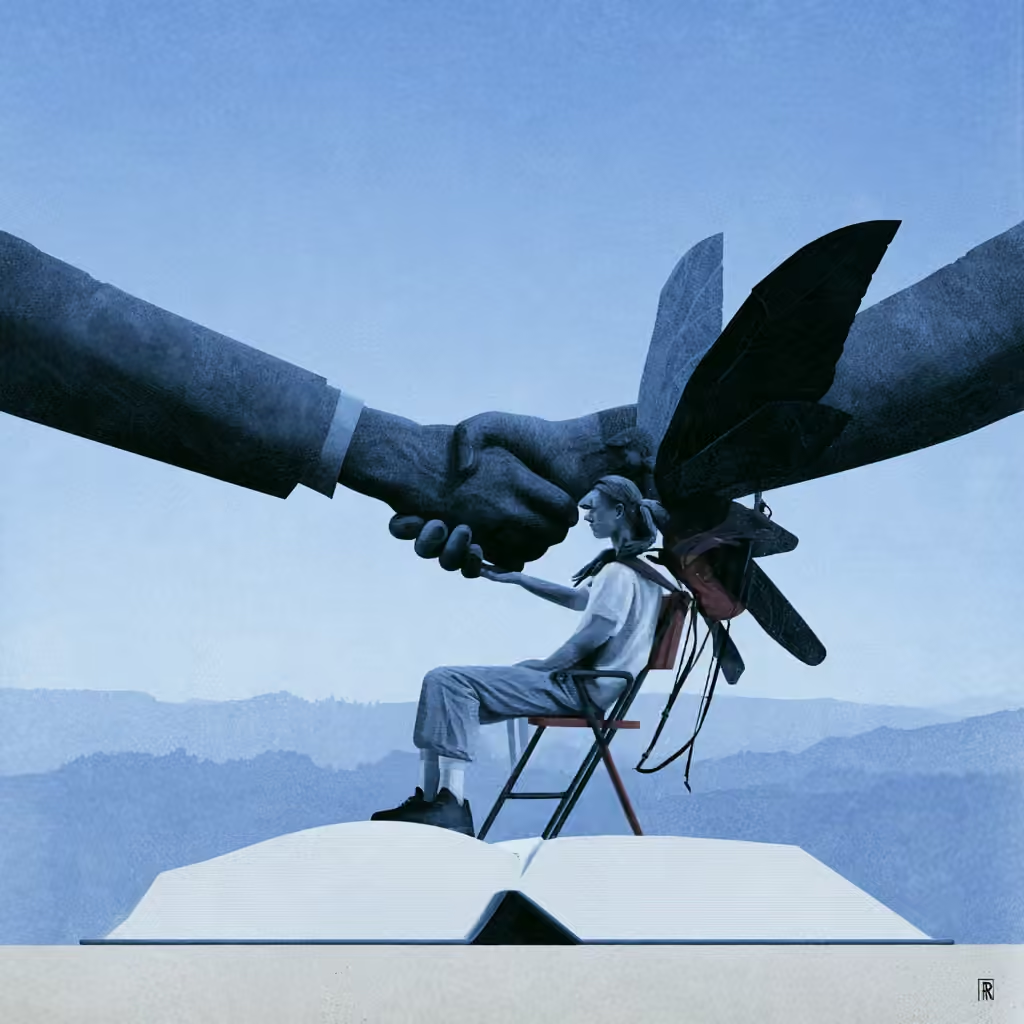
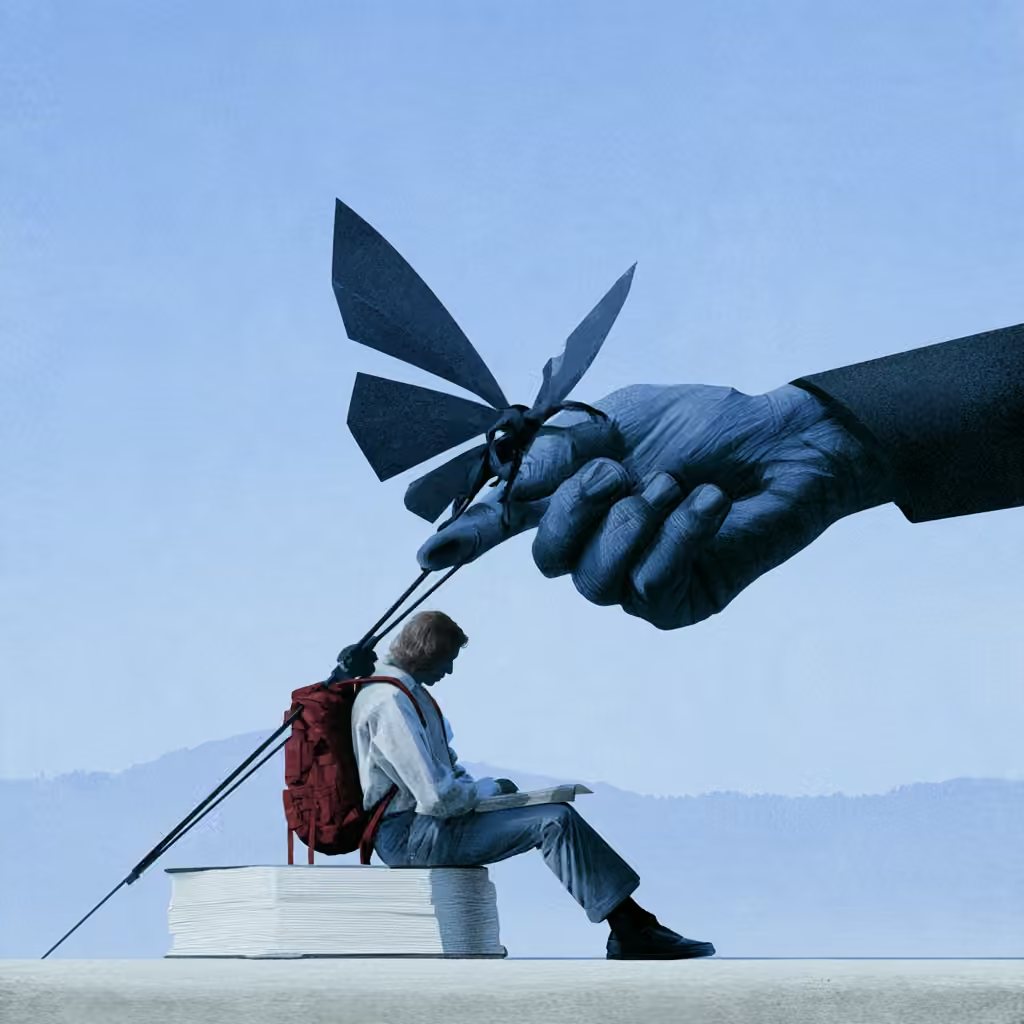
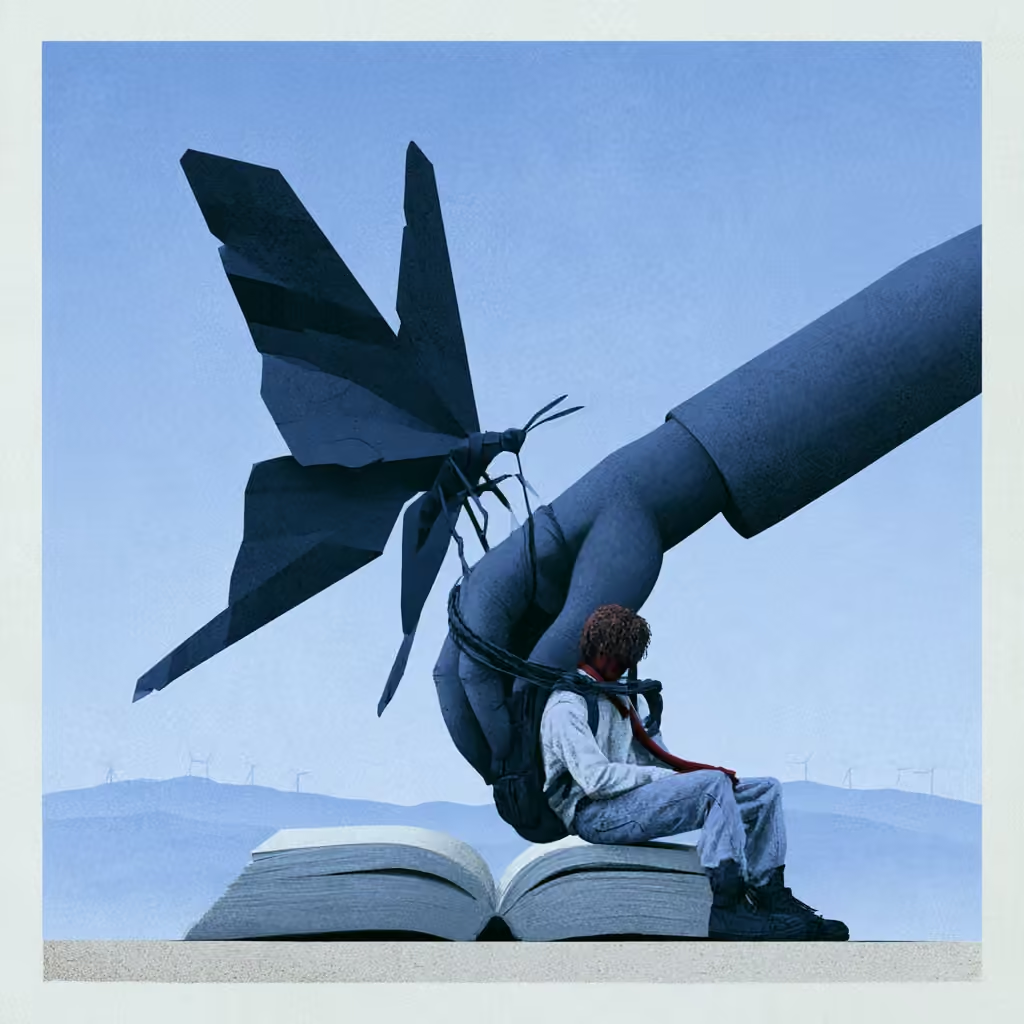
By the way, these were some of the weird images I got working with the prompt “Severing Author from Authority.” I really like how surreal they are. In the image at the top, the winged thing seems to grow out of the strangeness of the book itself. Across the other images, the model seems to move further away from the book. The pages start to look like wings, and in one image the winged thing becomes a full-fledged insect.
I think the model read “severing” as a struggle over who gets to move freely. There’s a point where being led starts to feel like being held in place. That’s the part of the reading relationship these images make strange for me. I’ve agreed to follow, and somehow that agreement has become a constraint.